

CALIFORNIA — California is seeing its highest levels of West Nile virus activity in five years, according to the California Department of Public Health.
As of Aug. 14, the state had reported 30 human cases of West Nile virus, including three deaths, across 13 counties. The number of cases is higher than the five-year average for this point in the year.
West Nile virus activity typically increases during the summer and into fall. August and September are peak transmission periods in California.
“West Nile virus can be fatal, particularly for the elderly and immunocompromised,” said CDPH Director and State Health Officer Dr. Erica Pan. “August and September are peak periods of West Nile virus transmission in the state, so we urge everyone to take precautions to protect themselves against mosquito bites.”
Signs of West Nile virus have been detected in 32 California counties through surveillance of mosquitoes, dead birds, sentinel chickens and horses. More than 24% of dead birds identified through surveillance have tested positive for the virus, compared with a five-year average of 13%. About eight of every 1,000 mosquitoes tested positive, compared with an average of five per 1,000.
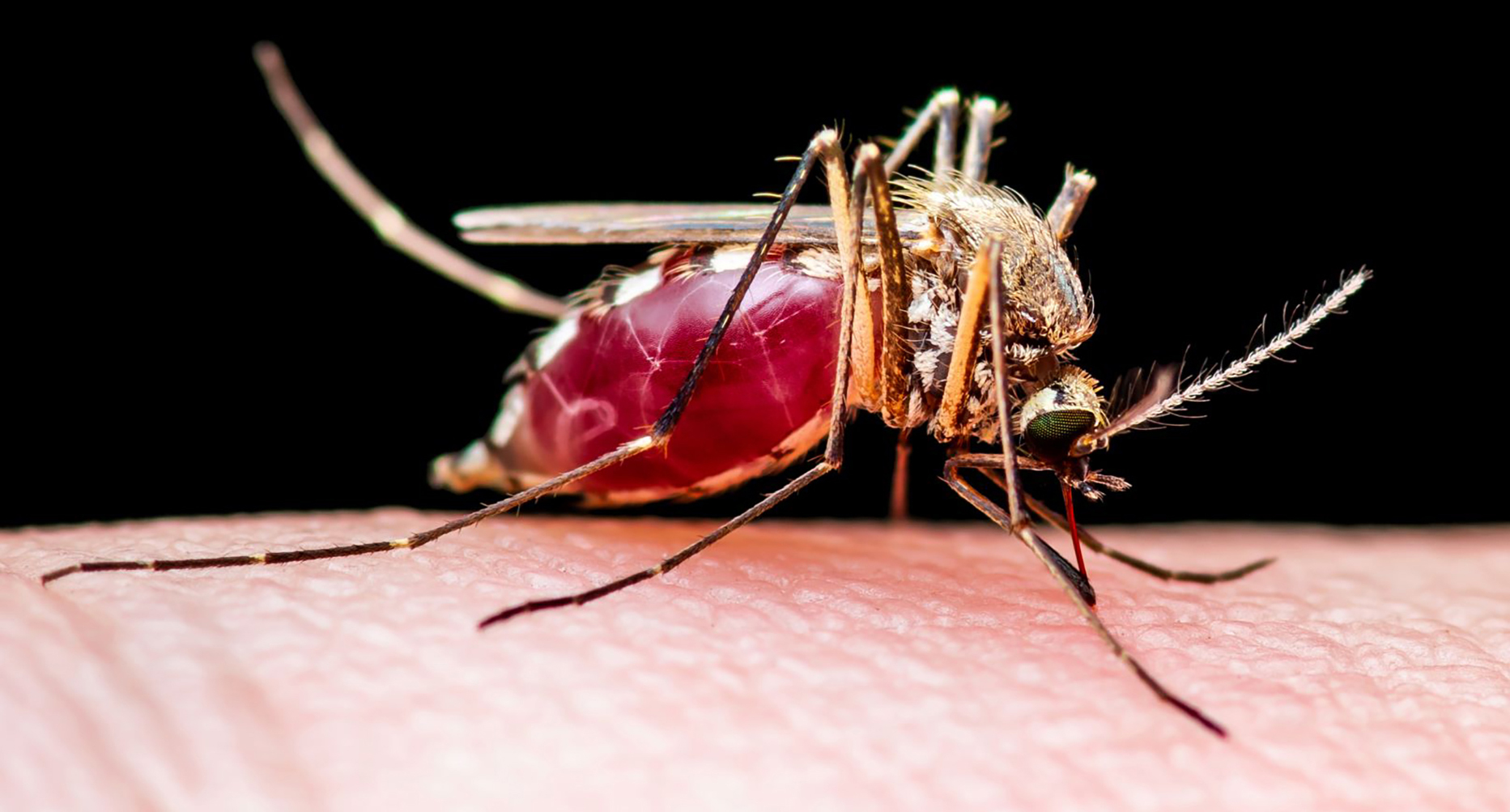
West Nile virus is transmitted to people and animals through bites from infected mosquitoes. While most people have a low risk of serious illness, some can develop potentially fatal neurological diseases, including encephalitis or meningitis.
People 60 and older, as well as those with diabetes, high blood pressure or chronic kidney disease, face a higher risk of serious illness. People taking medications that suppress the immune system also may be at increased risk.
CDPH recommends the “Three Ds” to reduce the risk of mosquito bites:
- DEET: Use an EPA-registered insect repellent containing DEET, picaridin, oil of lemon eucalyptus or IR3535, following label directions.
- Dawn and dusk: Mosquitoes that transmit West Nile virus are most active during early morning and evening. Wear long sleeves and pants and use repellent when outdoors during those times. Keep window and door screens in good repair.
- Drain: Eliminate standing water around homes by emptying flowerpots, buckets, old tires and other containers. Report neglected swimming pools to local mosquito and vector control agencies.
Residents also can help track the virus by reporting dead birds to the state’s West Nile virus surveillance program at 1-877-WNV-BIRD (968-2473).
More information is available at westnile.ca.gov.