
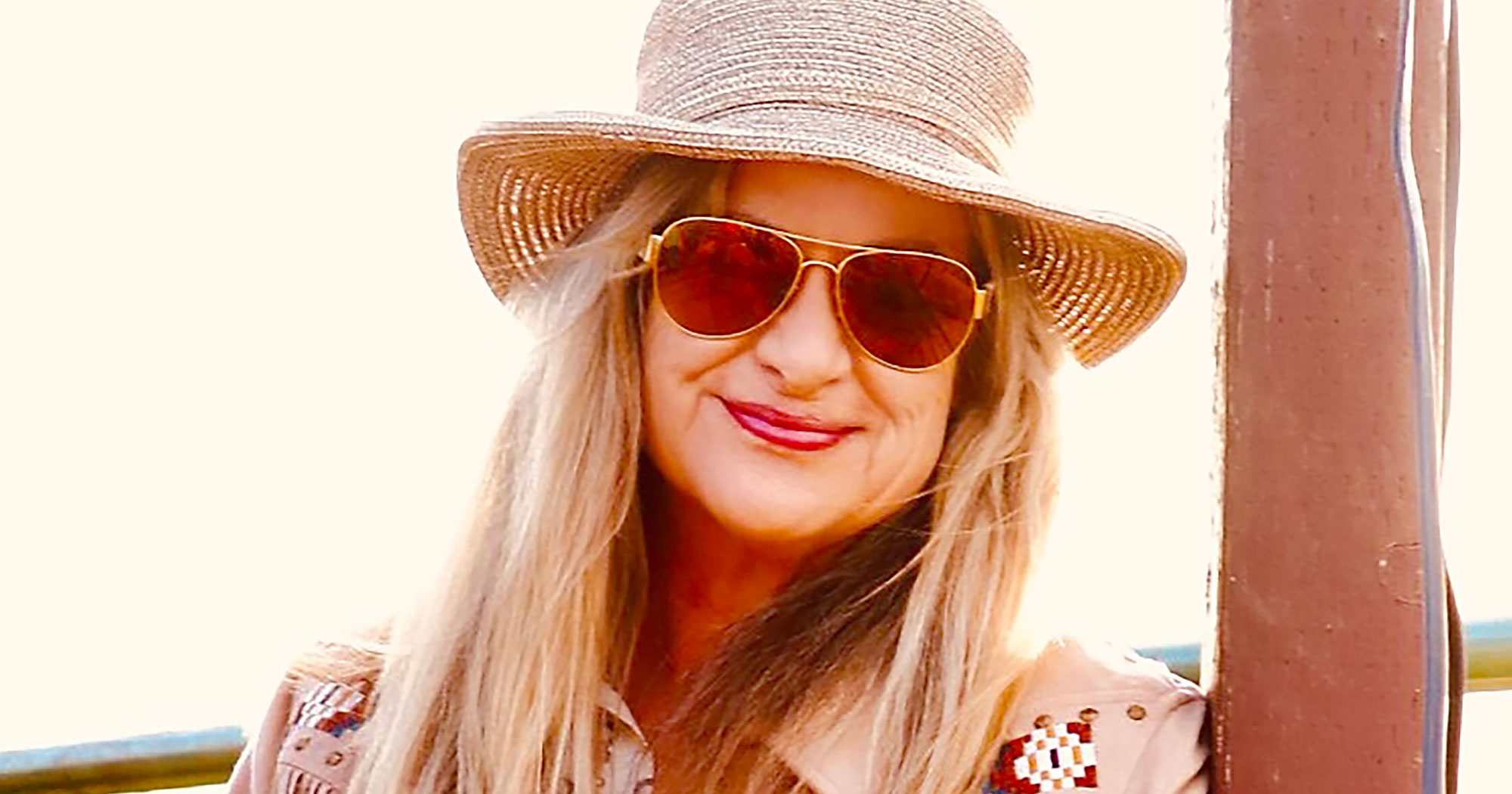
“Where did you go to high school, grandma?” my 11-year-old granddaughter enquired, ever the curious little squirrel.
“Well, it’s a bit complicated,” I reply. She waited. “You see, I went to school in England — a boarding school — from the age of 9-15.”
She gasped. “You mean you had to sleep there? At school?”
“Yes,” I reply. “Every night.”
“Oh grandma,” she touched my arm sweetly with enormous concern in her eyes. “What did you do?”
And there sowed the seed of the essence of boarding school and what it meant back then, 50-something years ago, compared to what it means today. In America, most kids stay at home in their own beds until they are of college age. Rarely do you hear of a child going away to boarding school. Sometimes, back in the day, as was in my case and my father before me, you are sent away to school if there are no decent ones to be found locally. My parents believed in a good education for all of us, so I needed to go away for my education. And that is exactly what happened.
Though I believe I was way too young at 9 to be able to navigate weeks away from my family and live amongst my peers and a bunch of rather barky disciplinarians, I see now that it taught me a lot. Our house mistress — also sports teacher — was called Miss Marriage (aka Baggage). I can still see her beaky profile coming into our dorm at night after lights out, when someone was talking. Everyone would gasp and hold their breath. “Who’s talking in here?” she would ask sternly and then the “confessee” would whisper “me” and be targeted for “early ups” for the next week, at the very least.
Some things never leave the memory bank. Miss Stubbs was our grueling Latin teacher with her hair in a tight, netted bun and imposing sensible shoes. She never tolerated any misbehaving in her classroom and is likely the reason I got an “A” in Latin. We were all terrified of her. Mr. Mummery was the most epic history teacher in the history of… and made sure we grasped the importance of history in the funnest way possible. He also had the most impeccable handwriting. Mrs. Parry stood out to me as the house mistress of the sanitorium because she was nice and soft and kind. That just shows you that the others were not.
Boarding school taught me to manage independently and not rely on others from a very early age. It taught me how to get along with people regardless — the true story of no one ever needs to know what you really think of them. I learned the importance of sports teams and how participation in many sports can push you up the ladder somehow, so that you earn privileges as a prefect, special housing and benefits. And popularity. That was key to survival of the fitness at school. I played on all the sports teams — hockey, swimming, tennis, netball, rounders and more.
Looking back, I am reminded of “Lord of the Flies” where, without loving adults around, the children raise themselves and sometimes not well. We had scary incidents of drug overdoses on campus, suicide attempts by our peers and horrendous feelings of abandonment among us that we knew not how to handle. The children of diplomats and political refugees were welcomed into our fold from all over the world, so we learned to accept all shapes and colors of people. That was a marvelous lesson in life and tolerance.
Our school was a mixed Quaker boarding school — a very peaceful lot, the Quakers. There were no corporal punishments, just “early ups” (self-explanatory), being gated (you can’t leave school grounds), Wednesday and Saturday afternoon “puni” (being stuck in the classroom writing lines). Even the kids that got into serious trouble were only ever suspended, never expelled. I can’t say the religion infused itself into me, but the peacefulness did, and the “do as you will be done by” ethic that pervades my life.
Every now and then, you would be able to go home for the weekend and that was a truly joyous occasion, except for the mortifying echo of my father’s voice as he got out of the car to pick me up in his three-piece suit, with tie, and called my name out loudly towards the dorm rooms in his plummy English voice for all and sundry to hear. (Friends of mine had fathers who wore casual jeans and sweaters and never called out for them, but not my dad!)
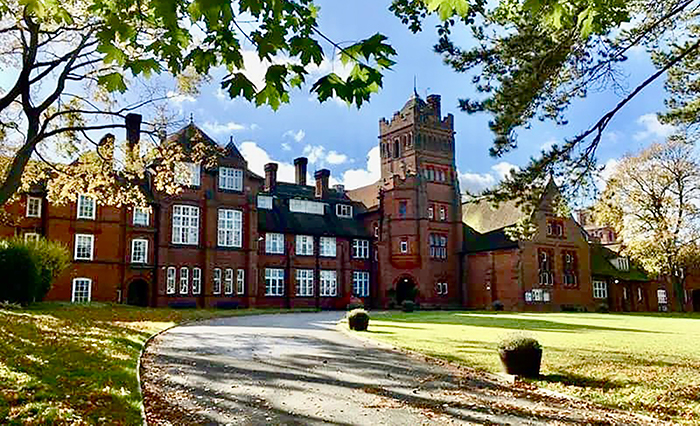
Once away from the school it was plain sailing though, and I would be spoilt for the weekend at home in my comfortable bed with my favorite food and special treats and my annoying, but lovable little sisters. Returning to school was always a bit tough after the weekend or holidays, when I was so young. I could be seen calling my folks collect (or reversing the charges, as we called it in the UK) from the pay phone in the corridor by the boys’ stairwell, sobbing my little heart out.
The school cafeteria food was seldom good, but we could always pork up on bread and jam, and we had accounts at the local fruit shop where we could increase our vitamin levels and tide us over when the school cafeteria produced something really inedible like chicken supreme, which was not even remotely supreme. We had tuck lockers that our parents could fill up after home visits. My friend Ruth always had amazing biscuits and cakes in hers, whereas mine always smelled like old fruit. Funny the things you remember so clearly.
Receiving letters from home was always a highlight of the day and I treasured the sight of my family and friends’ handwriting on an envelope so much that I find it hard to throw them away, even now. The messages from the outside world were so key to staying grounded, keeping strong, surviving.
Sharing school life with boys was pretty exciting on the whole, though they had their own wing of the school and it was absolutely forbidden to go there. Of course, that made us want to go really badly, and I did make it over there once, but I was terrified of being caught. Such a goody two-shoes back then! School dances were also a lot of fun and full of delight and intrigue — who was dancing with who. Valentine’s morning in the huge dining room was equally angst-filled, as the love cards were handed out and the popular girls made out like bandits.
Midnight feasts in the dorms were a must before the school term was out for the holidays — whispering under torch light while we ate illegal chocolate biscuits (or American English cookies) after the dorm lights were out and our teeth had been long ago cleaned. The Rec was a gathering place on site — an old water tower — where you’d pursue your latest crush, buy treats from the snack bar and listen to ’70s music like Genesis, Bad Company, Pink Floyd and more, which, to this day, takes me back to that place.
There were also relationships between the staff and students, which would never happen these days, and made some of my fellow pupils old before their time. Some of them even married. When I was thinking of writing a book about my boarding school experiences — now relegated to just a column or two — I reached out to some old friends of mine, and several did not want to talk about what went on during our school days. Deeply scarring tales of bullying and ostracization, things no one should have to shoulder at school, for crying out loud. That was sobering. It’s such a long time ago, maybe some things are better left to the crumbs of memory.
We had lots of music and arts at school. That was a real positive! Theater was a popular option and learning musical instruments. I loved the acting world and played the piano and the violin in the orchestra. Art was a subject on the curriculum, along with all the sports you could imagine, and I think we were blessed to enjoy a very rounded education, as we walked towards adult life and onwards.
“Go forth into the world in peace,” I recall our ginger-haired headmaster John Woods speaking to the school at each last assembly of the school year. “Be of good courage.” I’m not sure how I remember his words, but they stayed with me through life. Go forth in peace, yes. I’ve always tried to do just that.
I was 15 when I graduated from school and opted to return home to do my college years, since we had by now moved to London and the schools were good there. Once out of my familiar environment, I missed the camaraderie of our school, the tightness of our unit, the fun we had, the boys. The freedom of the outside world felt strange for a while, plus the fact I was now attending a girls-only school, which catered mostly to tunneling our minds towards university.
Looking back on the five years I spent at the Friends’ School, which is now closed — a sign of the times — I have no regrets about my experiences there and, personally, no lingering scars. Would I send my own children to boarding school? No, I would not; but those were different times and they did things differently there.